


In the Protide Health peptide shop (the complete catalog of research compounds can be found), and all published results for every product are stored in the COA archive. The significance of retained batch history lies in its ability to allow a laboratory to track materials acquired months prior — rather than just the current lot. The presence of endotoxin is crucial because bacterial contamination can interfere with laboratory assay outcomes regardless of the material being evaluated. This particular check is the most important for a blend — as it verifies that the vial contains what is stated on the label rather than just a portion.
At the daily activation frequency, one 80 mg vial covers 30 days, roughly the four-week activation phase. That 26.67 mg/mL is the concentration of the total blend. If you want the full walkthrough of the technique — read our peptide reconstitution guide and the primer on how much bacteriostatic water to use; to sanity-check any dose for your own vial use the dosage calculator. The KLOW protocol uses 3 mL of bacteriostatic water for the 80 mg vial. That is why the entire schedule below is expressed as a frequency curve — daily (then five times weekly), then two-to-three times weekly — rather than as a dose curve.
There are no published clinical trials of the four-component blend — so no reference here should be read as evidence for the read the article combination. The references below are component-level. KLOW packages GHK-Cu, BPC-157, TB-500 and KPV at a fixed ratio, which makes it a convenient tool for studying multi-pathway recovery.
KLOW combines GHK-Cu (BPC-157), KPV and TB-500 in a single vial, and the combination has not been validated in clinical trials, so this frequency reflects documented research use rather than clinical guidance. A suggested daily titration approach for the combined vial, expressed as total blend. Add 3.0 mL bacteriostatic water to the one 80 mg vial → ~26.67 mg/mL total blend. The standard setup that the chart is built on is the 80 mg vial mixed with 3 mL of bacteriostatic water. A recurring theme is that people dealing with gut issues or general inflammation specifically pick klow (not glow) for the KPV component, and some report calmer digestion during a cycle. Moving up the family adds ingredients and research scope — but also more compounds whose combined behavior has never been formally studied.
All products referenced are for laboratory research (analytical), and in‑vitro use only. It is supplied for laboratory research use only and is not for human or veterinary use. In the standard 80mg presentation the split is GHK-Cu 50mg (KPV 10mg), BPC mg, and TB mg. It is not a drug — food, supplement, or cosmetic, is not approved by the FDA, and is not intended to diagnose, treat, cure, or prevent any disease, or for human or veterinary consumption. This compound is provided strictly as a reference reagent for scientific and laboratory investigation.
Composition of Research
Check which material was tested, how it was delivered and whether the outcome was measured in people. It is marketed around recovery, skin quality and inflammation, but studies of the individual ingredients do not establish those benefits for the combined product. A certificate of analysis (COA) is available on request for research records. Figures are representative of published research findings and shown for reference. GHK-Cu is a reference compound for collagen and elastin synthesis in fibroblast culture; the blend is studied in dermal models. The main areas KLOW is being studied for – and the study-reported figures behind them.
KLOW – A Sophisticated Blend of Multi-Peptides for Studies on Regeneration and Inflammation Reduction
Calculate my KLOW reconstitution Documented KLOW doses What does the research actually show? Pre-filled with this protocol’s recommended BAC water and documented starting dose — edit any field to run your own numbers. I understand these products are not for human or veterinary use, diagnosis, treatment, or consumption.
Products are for in-vitro research only and are not for human or veterinary use. Compatibility and final volume must be confirmed from the material-specific reference. Reviewed schedule, supporting context, and citations in one source-linked reference.

GHK-Cu and Copper-Dependent FGF Modulation
They are not intended for human or veterinary consumption or any in-vivo application. Select options This product has multiple variants. Accept All Deny View preferences Save preferences View preferences Because KLOW Blend contains multiple peptide components, analytical characterization may require methods capable of distinguishing the individual constituents within the formulation. Published literature describes research involving cellular signaling (vascular pathways), nitric oxide signaling, and other molecular processes.
Klow vs Glow vs Wolverine vs single peptides
Researchers should follow established institutional protocols and applicable laboratory standards when handling research materials. Scientists often study peptide interactions with these signaling networks to better understand normal physiological responses and mechanisms involved in maintaining tissue homeostasis. It is intended exclusively for scientific research and is not approved for human or veterinary use. “…the people at Solas were very nice and bent over backwards to help me. … Do not hesitate to order from them.” 2-4 weeks reported , vendor and community practice, no supporting study,
KLOW provides a holistic methodology for preclinical research targeting support for connective tissue (skin regeneration), and biological mechanisms related to recovery by integrating four extensively researched compounds. The chart below illustrates the distribution of the four components upon reconstituting a standard KLOW 80 vial and is intended solely as a laboratory reference for managing research materials, not as advice for human usage. An 80mg vial typically lasts approximately 3 to 4 weeks at standard research doses. Changes in health reflect all users, including those who are taking several compounds concurrently. The common practice within the vendor and community involves cycling at consistent doses (usually 4-6 weeks on followed by 2-4 weeks off), without supporting studies. The typical recommendation is 28 days in the refrigerator, which is the preservative window for bacteriostatic water.
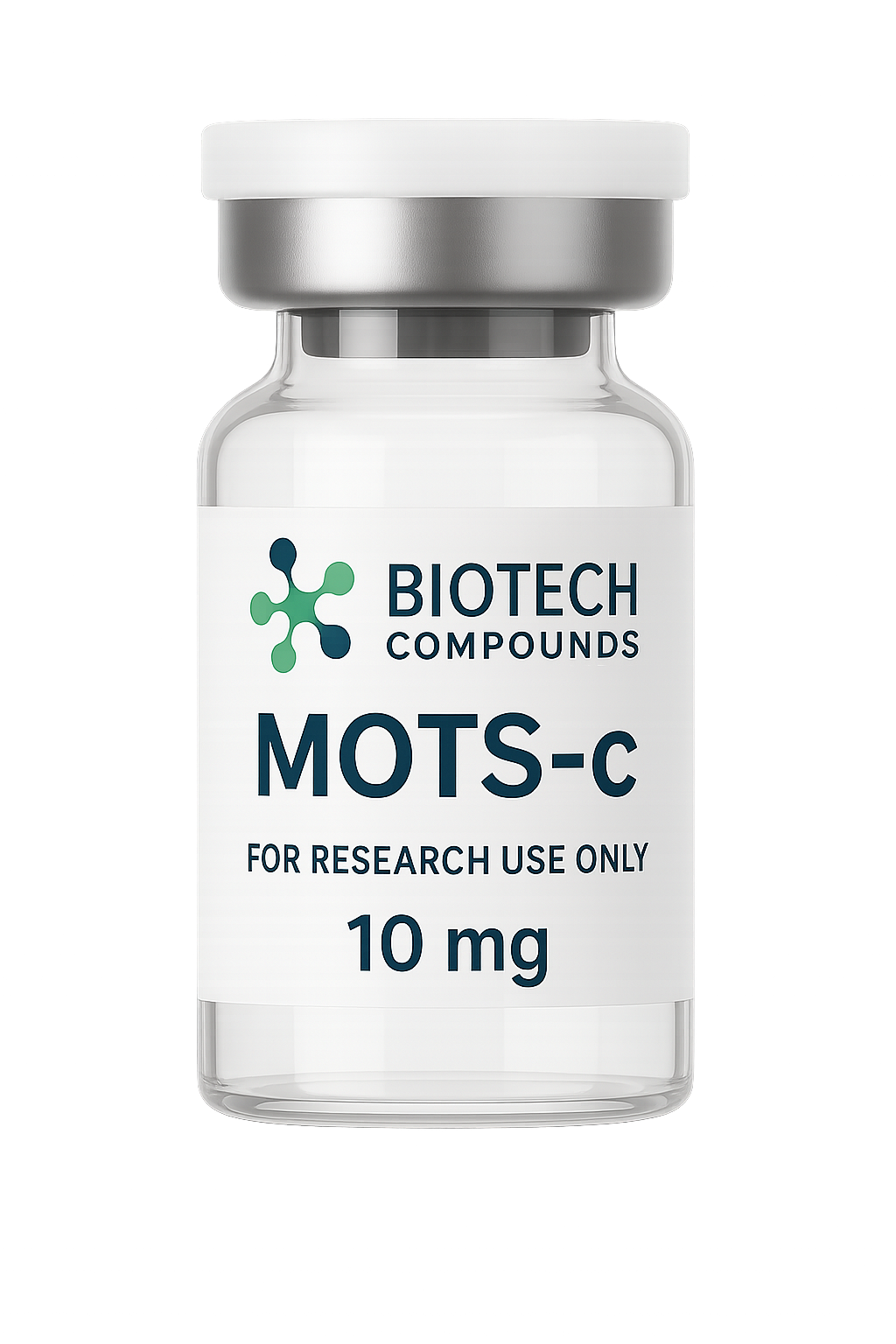
Opt for glow if the aim is to enhance skin quality and overall recovery; choose klow if anti-inflammatory or gut support is also desired and if you are comfortable with the additional KPV. The inquiry about klow versus glow peptides is the most frequently asked question, and the response is simpler than what many explanations suggest. The klow peptide dosage you draw is determined by the amount of bacteriostatic water added to the 80 mg vial. These volumes for research are derived from the community and do not represent clinically validated dosing. None of this constitutes medical advice or dosing recommendations; the reported doses are based on community-sourced research protocols. This Klow Dosage Chart displays the titration schedule and the breakdown of components per injection for the klow peptide blend , GHK-Cu, KPV, BPC-157, and TB-500,, including exact syringe units based on the standard reconstitution of 80 mg.